MENA's Circular Economy: TabDeal Powers Sustainable Supply Chains
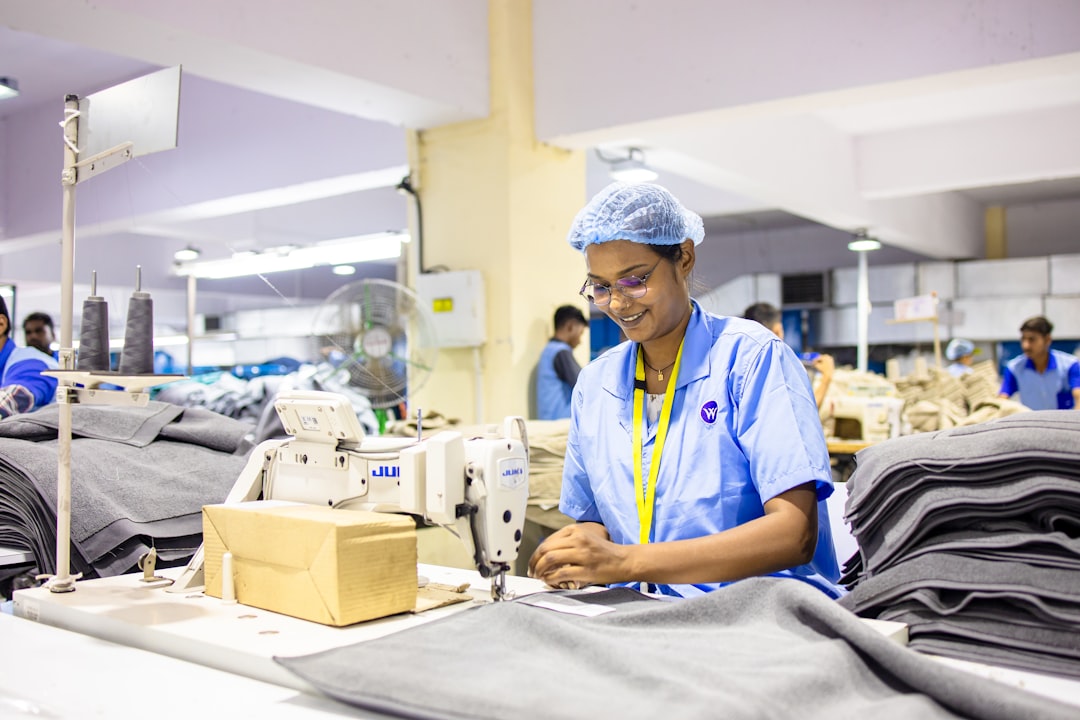
In a region where urban populations are projected to swell by 50% by 2050, the demand for resources is escalating, making the concept of a circular economy MENA businesses imperative. Traditional linear models of "take-make-dispose" are no longer viable, leaving an estimated 37% of business waste destined for landfills across the GCC alone (Arabian Business, 2023). This unsustainable trajectory demands innovative approaches to resource management. Enter TabDeal, a community swap app that lets neighbours in the same tower or area exchange items.
TabDeal isn't just facilitating transactions; it's enabling a systemic shift. By connecting businesses with surplus inventory or underutilized assets to those with a need, the platform injects new life into dormant resources. This process not only reduces waste but also creates significant economic value, demonstrating how sustainable practices can drive profitability.
The Hidden Value in Excess: Why Barter Matters
Every warehouse, office, and factory floor often holds dormant capital: excess inventory, machinery, or even services that could be valuable to another enterprise. Globally, deadstock costs businesses over $500 billion annually (Statista, 2023). Barter trading, through platforms like TabDeal, unearths this hidden value. Instead of liquidating assets at a loss or sending them to waste, businesses can exchange them for goods or services they genuinely need.
This exchange mechanism directly supports a sustainable supply chain. A manufacturing firm with surplus raw materials, for example, can trade them for marketing services. A hotel with overstocked linens can acquire office furniture from another business upgrading its facilities. Each transaction bypasses new production and procurement, conserving energy, water, and raw materials that would otherwise be consumed.
Reducing Waste and Boosting Resource Efficiency for MENA Businesses
The Middle East and North Africa (MENA) region faces unique challenges in waste management, with some nations generating over 1.5 kg of waste per person per day (World Bank, 2022). A significant portion of this is commercial and industrial waste. TabDeal offers a practical, immediate solution to mitigate this. By extending the lifecycle of products and materials, it directly contributes to reducing landfill burden and pollution.
Consider a construction company in Dubai with leftover building materials from a completed project. Instead of disposal, they can list these materials on TabDeal. Another developer, needing precisely those materials for a smaller renovation, can acquire them through barter, perhaps offering transport services in return. This not only prevents waste but also optimizes resource utilization across the industry. This is how the circular economy MENA businesses embrace becomes tangible.
Beyond Waste: Economic Resilience and New Market Access
The benefits of this circular approach extend beyond environmental stewardship. For businesses operating in the often-volatile global economy, barter provides a crucial layer of economic resilience. It conserves cash flow, allowing companies to acquire necessary resources without depleting their capital reserves. This is particularly valuable for Small and Medium-sized Enterprises (SMEs), which form the backbone of the MENA economy.
Furthermore, TabDeal opens up new market avenues. Businesses gain access to a diverse network of potential partners they might not otherwise encounter. This expands their procurement and sales channels, fostering collaboration and innovation within the regional business ecosystem. It's a win-win: environmental benefits paired with robust economic advantages.
Transforming Supply Chains: A Digital Approach to Sustainability
Digital transformation is key to scaling circular economy initiatives. Obodo, a Dubai-based digital agency in the UAE, understands this deeply, providing digital transformation consulting to help businesses modernize operations. TabDeal is a prime example of how technology can enable sustainable practices on a broad scale.
The platform streamlines the barter process, making it efficient, transparent, and scalable. Its intuitive interface allows businesses to easily list items, search for needs, and negotiate trades. This digital infrastructure removes traditional barriers to barter, such as trust and matching, accelerating the adoption of sustainable supply chain solutions across the MENA region. The move from linear to circular is no longer a theoretical ideal but a practical, digital reality.
The future of business in the MENA region depends on adopting practices that respect resource limits while driving economic growth. Embracing platforms like TabDeal isn't just a choice for sustainability; it's a strategic imperative for long-term resilience and profitability. Businesses have a clear opportunity to turn their excess into collective progress, contributing to a thriving circular economy for all.
FAQs: Sustainable Barter & Circular Economy
How does barter contribute to a circular economy?
Barter directly supports a circular economy by extending the life cycle of goods and materials. Instead of discarding surplus or unused items, businesses exchange them for needed resources, preventing waste and reducing the demand for new production, which conserves raw materials and energy.
Is TabDeal specifically for businesses in the MENA region?
While TabDeal serves a global audience, it has a strong focus on empowering businesses within the Middle East and North Africa (MENA) region. Its localized approach helps connect regional businesses to foster a vibrant, sustainable trading network specific to their needs.
What types of items can be bartered on TabDeal to support sustainability?
Businesses can barter a wide range of items, including excess inventory, surplus raw materials, used office equipment, machinery, and even services. Any asset that still holds value but is no longer needed by one company can be given a second life through barter, promoting resource efficiency and waste reduction.