Barter Trading: The Future of Business Transactions
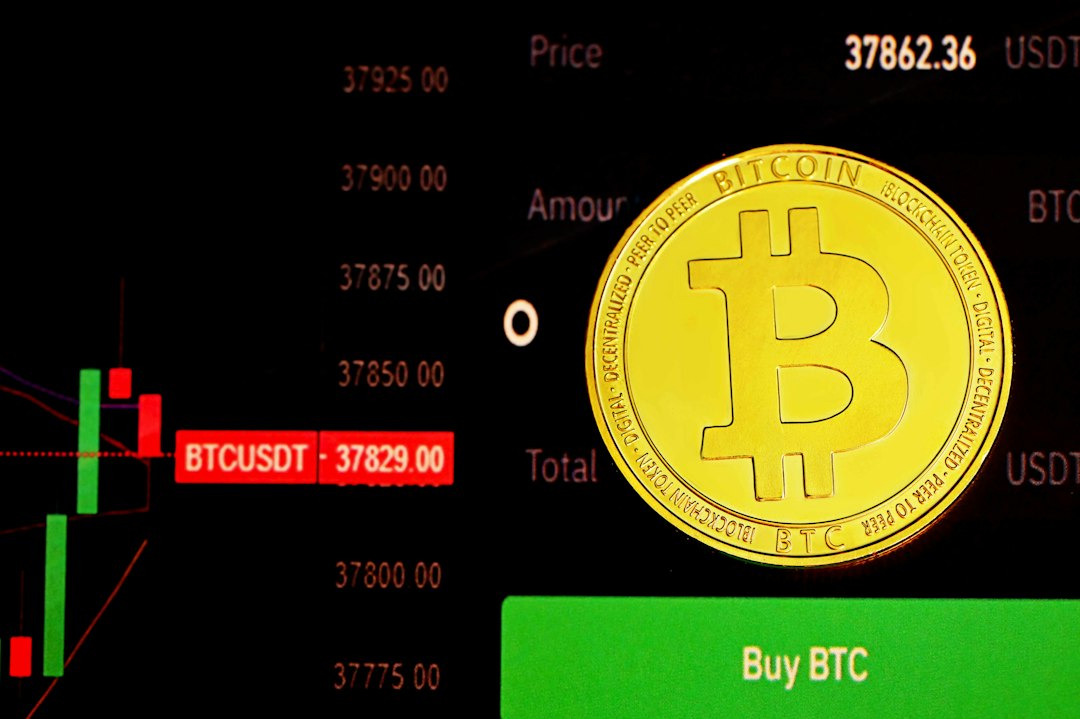
In 2026, cash flow remains the lifeblood of business, yet a staggering 70% of B2B transactions still involve some form of credit, tying up capital and stifling growth. But what if businesses could circumvent these traditional financial bottlenecks, unlocking hidden value in their inventories and services? Enter barter trading, an ancient practice revitalized by modern technology, offering a potent alternative to conventional cash-based exchanges. This isn't your grandmother's bartering; it's a sophisticated, digital ecosystem where companies trade surplus assets and underutilized services directly, fueling efficiency and opening new market channels.
The Unexpected Surge of Barter Trading in 2026
While often associated with historical marketplaces, barter trading has witnessed a significant resurgence, particularly within the B2B sector. Economic fluctuations and the persistent need for operational efficiency have driven companies to re-evaluate how they acquire goods and services. A recent report by the International Reciprocal Trade Association (IRTA) indicates that global corporate barter transactions exceeded $18 billion in 2024, projected to grow by 15% annually through 2028. This growth isn't accidental; it's a direct response to businesses seeking ways to preserve cash, monetize excess capacity, and expand their supplier and customer networks without incurring new debt.
For example, a boutique hotel facing low occupancy can trade unused room nights for marketing services from a local agency, which in turn might exchange those room nights for office supplies from another business. This intricate web of exchanges, facilitated by specialized platforms, creates a virtuous cycle of value generation that bypasses traditional currency-based hurdles. The UAE, with its dynamic economy and entrepreneurial spirit, is fast becoming a hub for this modern bartering, as businesses here actively seek innovative solutions to maintain competitiveness.
Unlocking Latent Value Through Digital Exchange
Every business, regardless of size, possesses underutilized assets or services. A manufacturing plant might have excess production capacity, a marketing firm might have spare consulting hours, or a retailer might hold aging inventory. Traditionally, these would be considered liabilities or missed opportunities. Modern barter trading platforms transform these into valuable commodities.
"The true genius of digital barter lies in its ability to convert a static liability into a dynamic asset, fostering a circular economy where waste is minimized and value is continuously recirculated," says Dr. Aisha Al-Mansoori, an economic analyst specializing in alternative finance.
The beauty of a structured platform like TabDeal is its ability to facilitate multilateral trades. Instead of a direct, one-to-one swap, businesses earn trade credits for their offerings, which can then be used to acquire goods or services from any other participant in the network. This eliminates the